
Tennessee Travel · Nashville
Tennessee State Museum opens a free pottery exhibit drawn from the state’s largest public collection, on view through August 2027
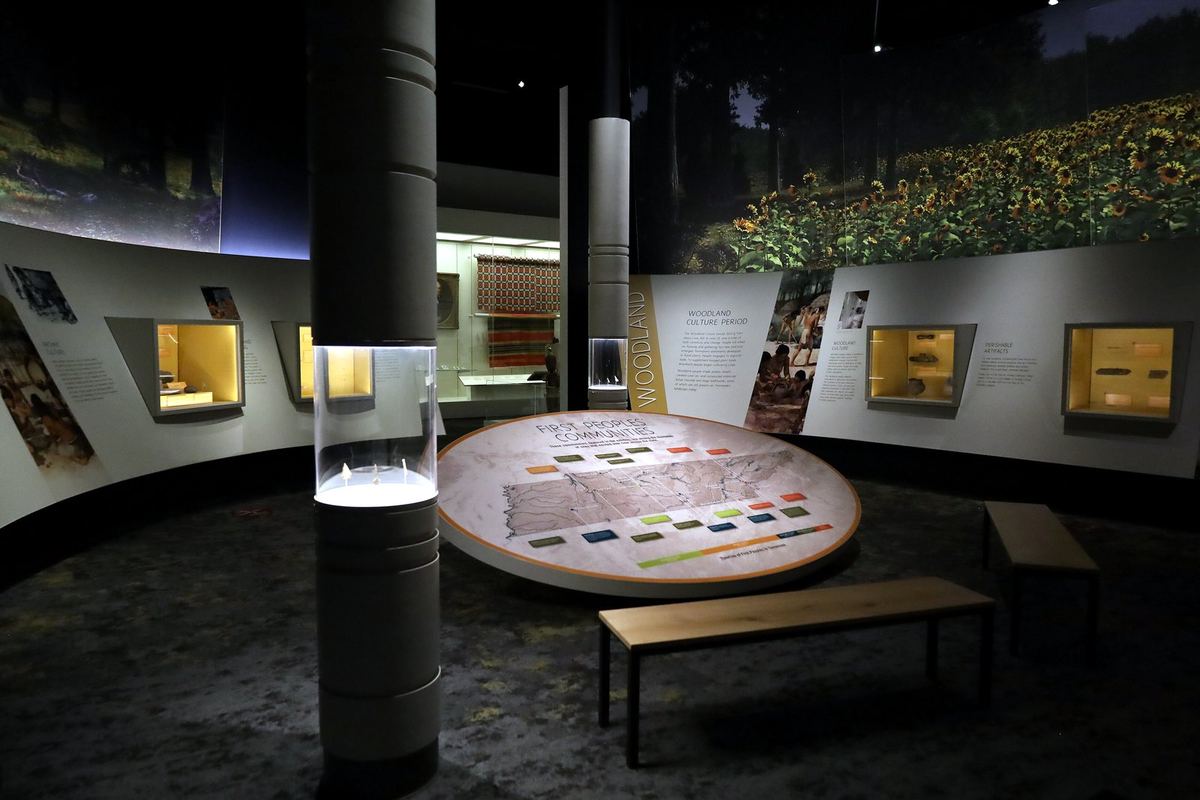
NASHVILLE — The Tennessee State Museum has opened a new exhibition on Tennessee pottery, built from what the museum calls the largest public collection of Tennessee ceramics anywhere. “Pottery from the Collection” is in the museum’s Art Before 1900 gallery and runs through August 2027, the museum announced Friday, Oct. 30.
Admission is free, as it is for the whole museum.
The show is organized around the state’s three grand divisions, and the regional differences are the point. Pieces range from plain jugs and crocks made for everyday use to more expressive work by individual potters, part of a craft the museum says has been practiced in Tennessee since before statehood.
“Tennessee pottery tells stories not only through the objects themselves, but also through the communities, families, and individual makers who created them,” said Ashley Howell, the museum’s executive director.
What to look for, region by region
- Middle Tennessee: a network of related family potteries grew up around clay deposits in Putnam, White and DeKalb counties. The exhibit features work tied to the Dunn, Hedgecough, Roberts, Elrod and Spears families, whose pottery shared distinctive decoration. Look for the Hedgecough family’s unusual ceramic tombstones.
- East Tennessee: the region made both stoneware and earthenware. Greene County had so many potters that the area around Lick Creek was known as “Pottertown.” Featured makers include Christopher Haun, known for his redware.
- West Tennessee: the Craven family started a community of potters in Henderson County beginning in the 1820s, and the region was known for utilitarian stoneware: jugs, crocks, churns and storage jars. The Pinson Pottery Company, in Madison County, became a leading industrial pottery in the 1880s, making both everyday ware and decorative pieces.
Because clay was the raw material, potters set up shop near the deposits, and the trade often ran in families, passed from one generation to the next. By the late 1800s and early 1900s some potteries had industrialized and pottery had become an important commercial product, the museum said.
From the 1970s craft revival to now
The exhibit also covers the revival of the 1970s and 1980s, when places like Arrowmont School of Arts and Crafts in Gatlinburg introduced pottery to new makers, and ceramic artists formed guilds and co-ops and sold through craft fairs. The museum’s first major exhibition on Tennessee pottery was in 1971.
“I hope visitors come away with a greater appreciation for the skill and creativity of Tennessee’s potters,” said Julia Doyle, the museum’s curator of fashion and textiles and a co-lead of the exhibition.
Plan your visit
The Tennessee State Museum is at 1000 Rosa L. Parks Blvd., at the corner of Jefferson Street, next to Bicentennial Capitol Mall State Park. It is open Tuesday through Saturday from 10 a.m. to 5 p.m. and Sunday from 1 to 5 p.m., Central time, and closed Mondays. Admission is free. The museum turns 90 in 2027, while this exhibit is still up.
Sources:
Tennessee State Museum, “Tennessee State Museum Explores the Rich History of Tennessee Pottery in New Exhibition,” Oct. 30, 2026 (exhibit details, regional makers, quotes, dates, hours, address), https://www.tn.gov/museum/news/2026/10/30/tennessee-state-museum-explores-the-rich-history-of-tennessee-pottery-in-new-exhibition.html
Photo: Antony-22, “Tennessee State Museum 2022d.jpg,” Wikimedia Commons, CC BY-SA 4.0 (https://creativecommons.org/licenses/by-sa/4.0/), cropped, https://commons.wikimedia.org/wiki/File:Tennessee_State_Museum_2022d.jpg
