
News · Knoxville
Knoxville traffic costs the area about $294 million a year, a UT study finds, and surprise crashes and work zones do more damage than rush hour
KNOXVILLE — Traffic congestion costs the Knoxville urban area about $293.8 million a year, according to new University of Tennessee research reported by WBIR, and the biggest piece of that cost is not the daily commute.
The study, done for the Tennessee Advisory Commission on Intergovernmental Relations using 2025 traffic conditions, estimated congestion costs nearly $2.7 billion a year across the roads it examined statewide. By that math, Knoxville’s share is roughly 11% of the state total.
Not a bill, but a real cost. The figure is the economic value of time and money lost, not a check anyone writes, said Kevin Heaslip, director of UT’s Center for Transportation Research and the study’s principal investigator. It adds up travel delays, unpredictable trip times, extra fuel and vehicle wear, lost work time, freight delays and emissions. “These are real costs that add up over time,” he told the station.
The surprise is the main cost. Across the state network, unreliable travel times made up about 42.6% of the estimated cost, compared with 30.1% for the everyday, recurring delays drivers expect. Heaslip said that matters more in Knoxville, where regular rush-hour backups are milder than in Nashville or Atlanta, but crashes and construction can snarl traffic without warning.
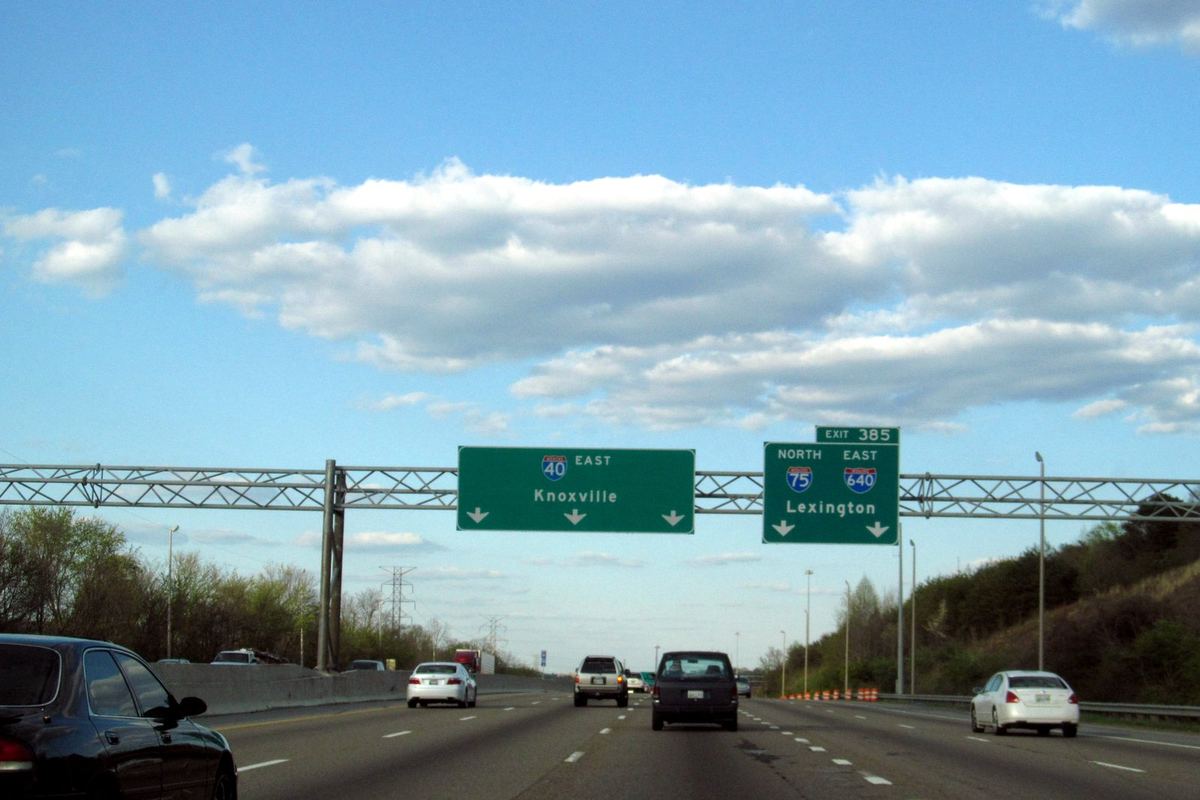
He pointed to the places where Interstate 75, Interstate 640 and Pellissippi Parkway pour traffic together as especially prone to trouble, because one slowdown at a merge ripples back for miles.
Why lawmakers asked. The General Assembly wanted to know what congestion costs Tennessee to help decide how much money to give the Tennessee Department of Transportation for road improvements, Heaslip said. “The legislature asked, ‘What is the cost of congestion for Tennessee?’” he said.
The study sets a baseline rather than picking projects. Heaslip said it can help TDOT and legislators target spending, which could include added road capacity, faster crash clearance and proposed choice lanes, the optional paid express lanes the state has been studying. Researchers are already looking at staging tow and recovery trucks near crash-prone spots and moving traffic through work zones more smoothly.
Our read. For taxpayers, the finding points to cheaper fixes first. Clearing wrecks faster and managing work zones better goes after the largest share of the cost without new lanes. The study did not project how fast Knoxville’s cost will grow, but Heaslip warned that population growth and longer commutes from surrounding counties will push it higher if nothing changes.
He encouraged residents to tell their state lawmakers where traffic is worst. “That sort of citizen interaction really helps,” he said.
Sources:
WBIR, “Stuck in traffic? Knoxville’s congestion problem is costing more than time,” Oct. 27, 2026 (University of Tennessee study for TACIR, $293.8 million, $2.7 billion statewide, 42.6% and 30.1% shares, Heaslip quotes), https://www.wbir.com/article/news/community/transportation/knoxvilles-congestion-problem-is-costing-more-than-time/51-fa8ee9e2-a010-43de-afa2-5bf9333163ed
Photo: Doug Kerr, “Interstate 40-75 eastbound - Knoxville, Tennessee (2014).jpg,” April 9, 2014, Wikimedia Commons, CC BY-SA 2.0 (https://creativecommons.org/licenses/by-sa/2.0/), cropped and color-adjusted; derivative shared under the same license, https://commons.wikimedia.org/wiki/File:Interstate_40-75_eastbound_-_Knoxville,_Tennessee_(2014).jpg
